New Orleans Legendary Walking Tours logo
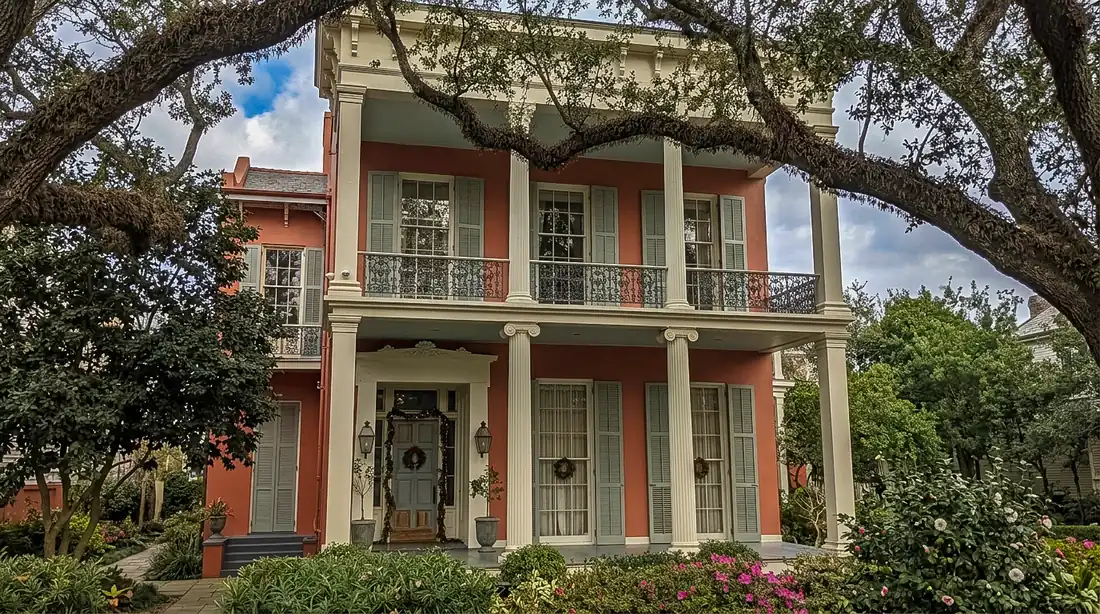
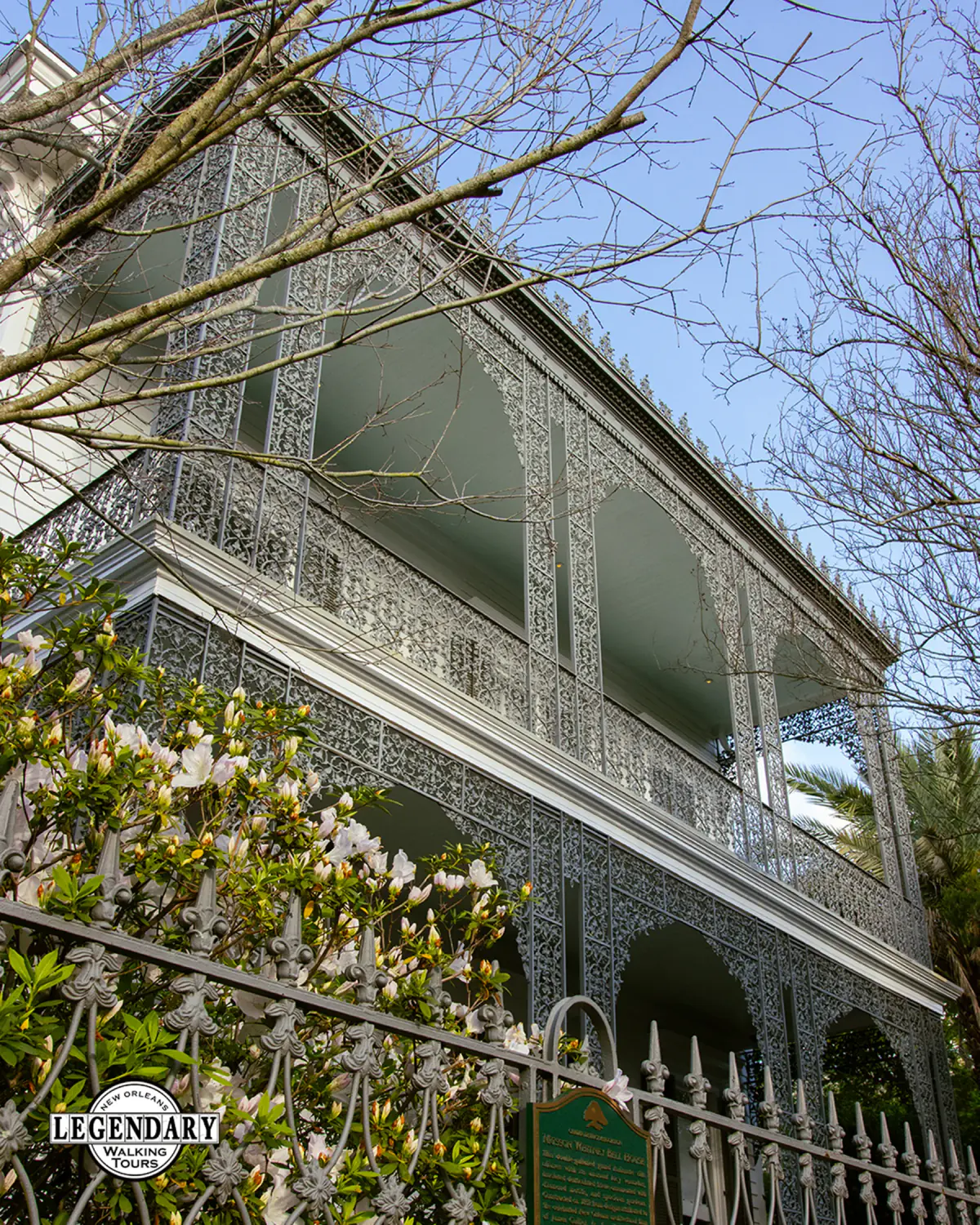
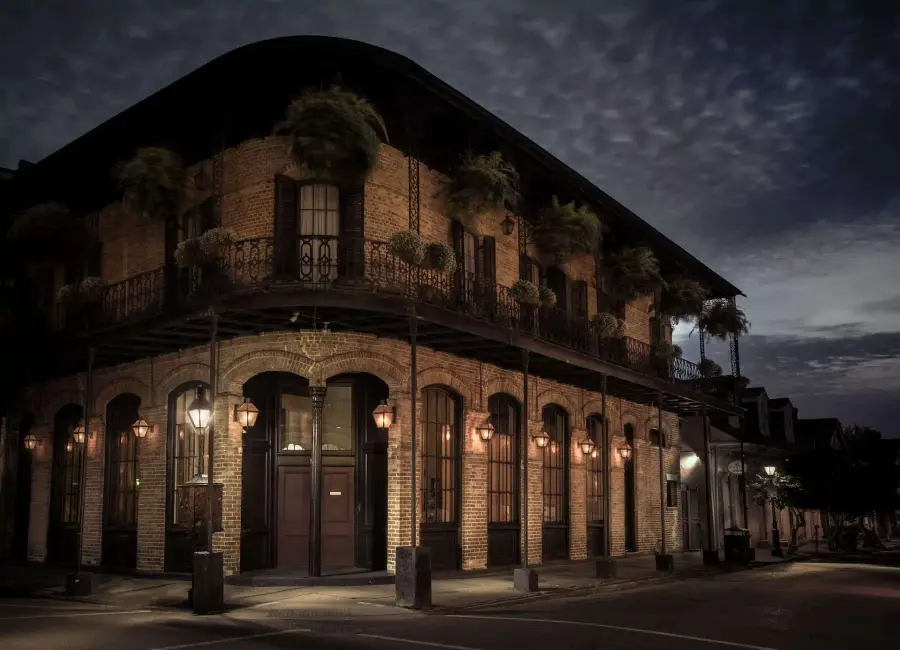
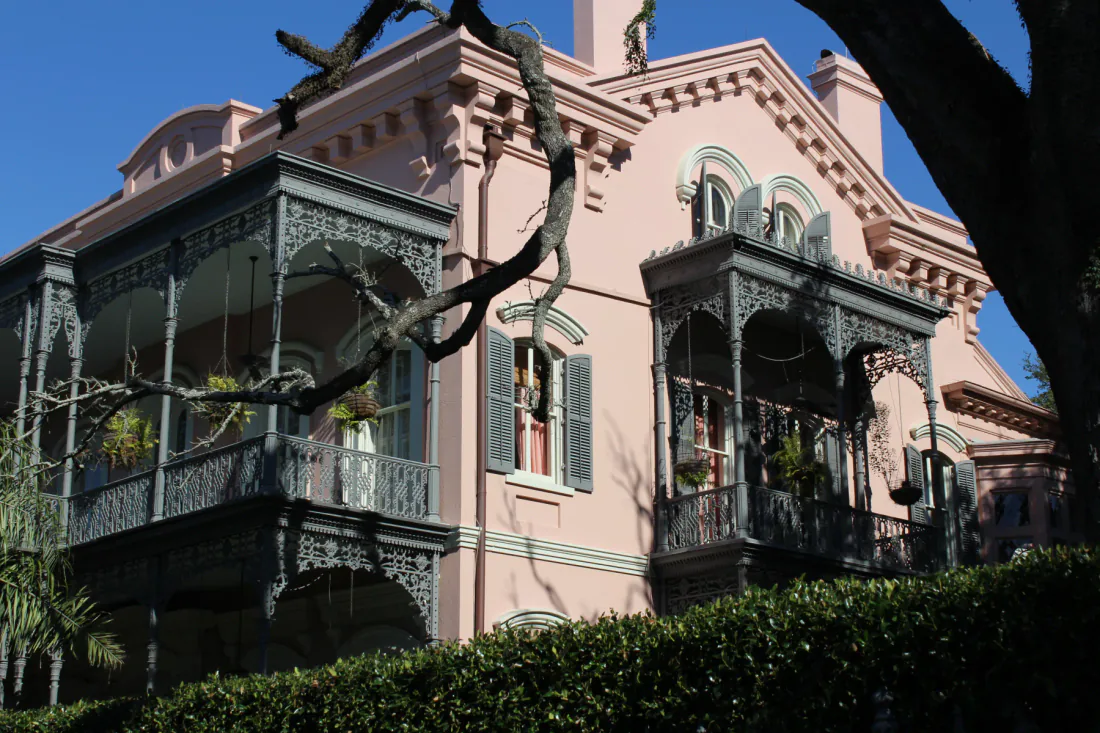
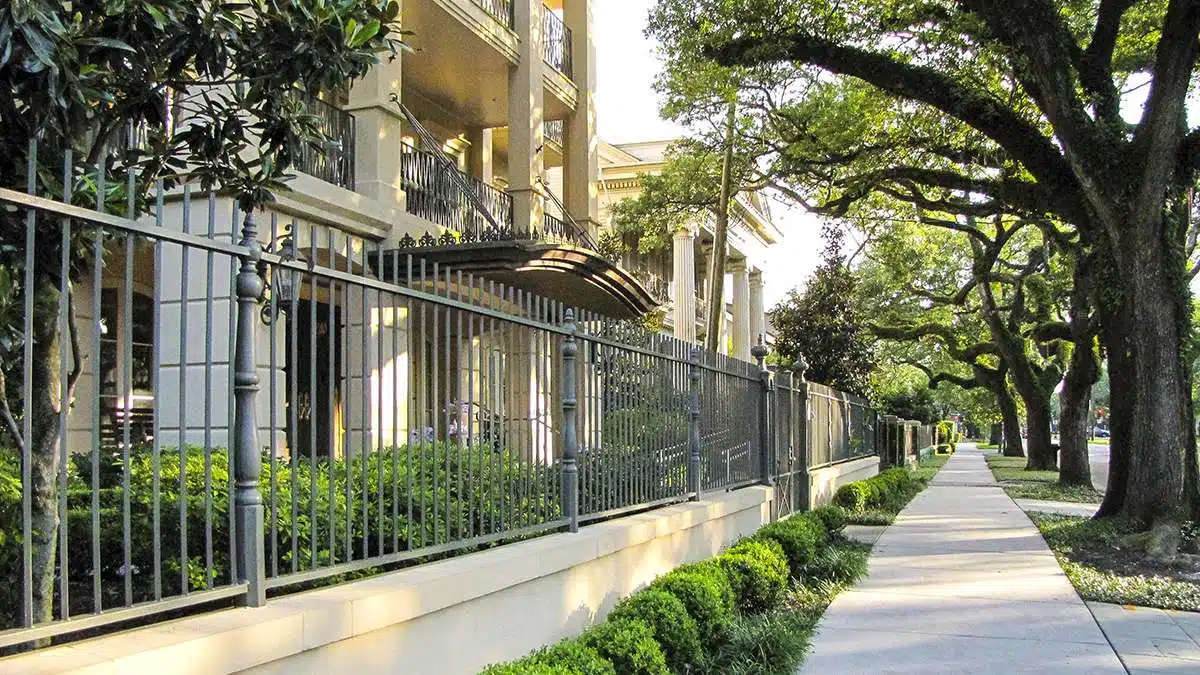
Garden District mansion with cast-iron gallery in New Orleans

8+ Historic Mansions

4.8/5 (976 reviews)

Garden District Walking Tour

New Orleans' most beautiful neighborhood — mansions, cemetery & history

Price
From $29.99
Duration
2 Hours
Departure Time
11:00 AM
Meeting Point
The corner of Washington Avenue & Prytania Street

A Guided Walk Through Garden District History

The Garden District began as Livaudais Plantation, became a showcase for the American Sector, and now preserves one of the country's best collections of 19th-century residential architecture. A self-guided walk can show you pretty houses; a licensed guide explains why the houses look the way they do and who had the money, ambition, and influence to build them.

Your guide connects Lafayette Cemetery No. 1, Buckner Mansion, Commander's Palace, Brevard-Rice House, Colonel Short's Villa, First Street and Prytania Street into one clear neighborhood story. Expect architecture, celebrity homes, film locations, literary history, cemetery symbolism, and enough local context to understand the Garden District after you leave.

The walk moves at an easy pace with frequent stops. It works well before lunch at Commander's Palace, before a Magazine Street afternoon, or as a quieter daytime counterpoint to a French Quarter or ghost tour. Lafayette Cemetery No. 1 interior entry is controlled by city access rules; when entry is unavailable, your guide explains the cemetery from the gates and surrounding sidewalks.

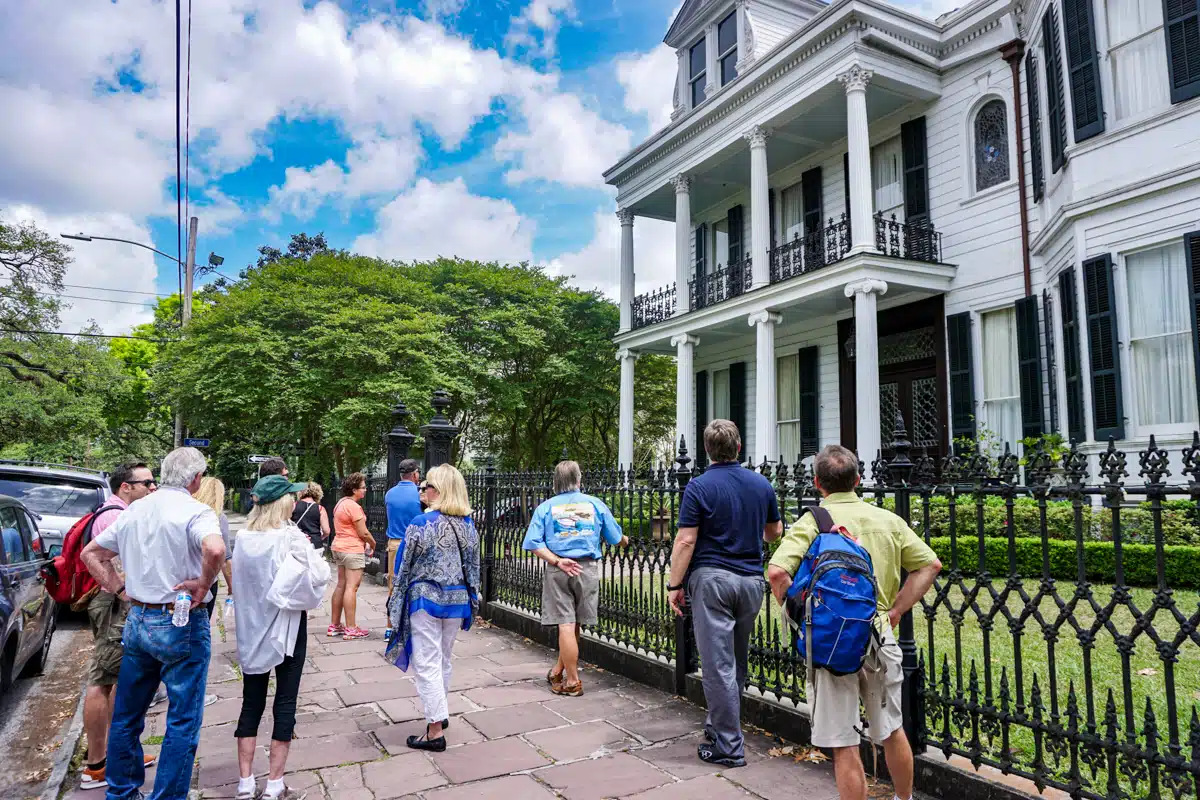
Guests on a Garden District tour near Buckner Mansion
Licensed guides turn the Garden District's mansions and cemetery gates into a connected story.

What You'll See on This Garden District Tour

Step into a living museum of antebellum architecture, Civil War history, and Southern grandeur. Your licensed guide reveals the stories behind the facades — who built these mansions and why, which one inspired Anne Rice's vampire chronicles, and how Lafayette Cemetery No. 1 became the most famous above-ground cemetery in the South.

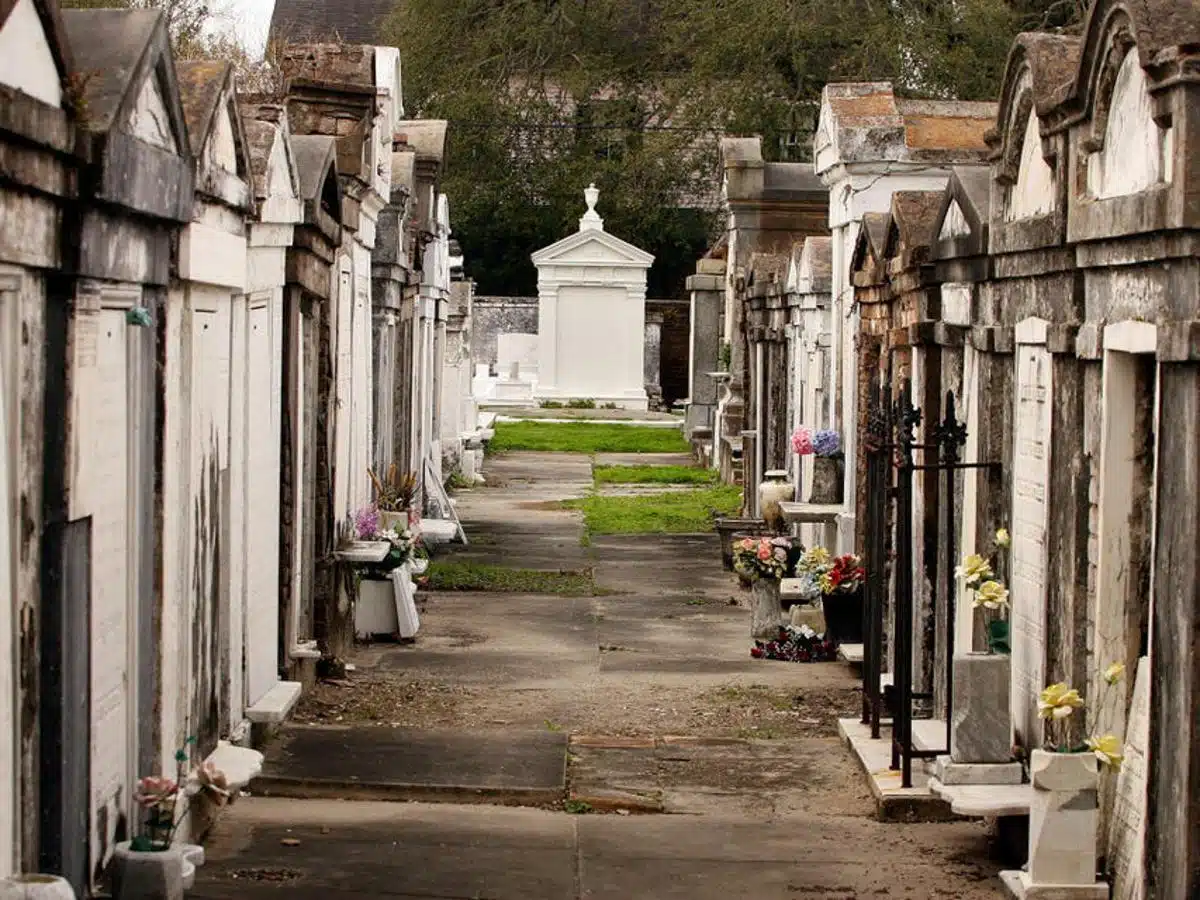
  1. Lafayette Cemetery No. 1 in the Garden DistrictStop 1

    Lafayette Cemetery No. 1 — New Orleans' Most Iconic Cemetery

    Established in 1833 as the first planned cemetery in the city of Lafayette (before it merged with New Orleans in 1852), Lafayette Cemetery No. 1 holds generations of the city's most prominent families beneath its above-ground marble and brick tombs. Your guide explains why New Orleanians bury above ground — it's not just about the water table, but a tradition rooted in French and Spanish colonial burial practices. You'll see the unique "society tombs" built by benevolent organizations like the Jefferson Fire Company, learn how yellow fever epidemics shaped the cemetery's rapid growth in the 1850s, and discover its literary connections: Anne Rice set key scenes from Interview with the Vampire here, and the HBO series Treme filmed within its walls. Lafayette Cemetery No. 1 reopened to the public after a multi-year restoration in 2024.
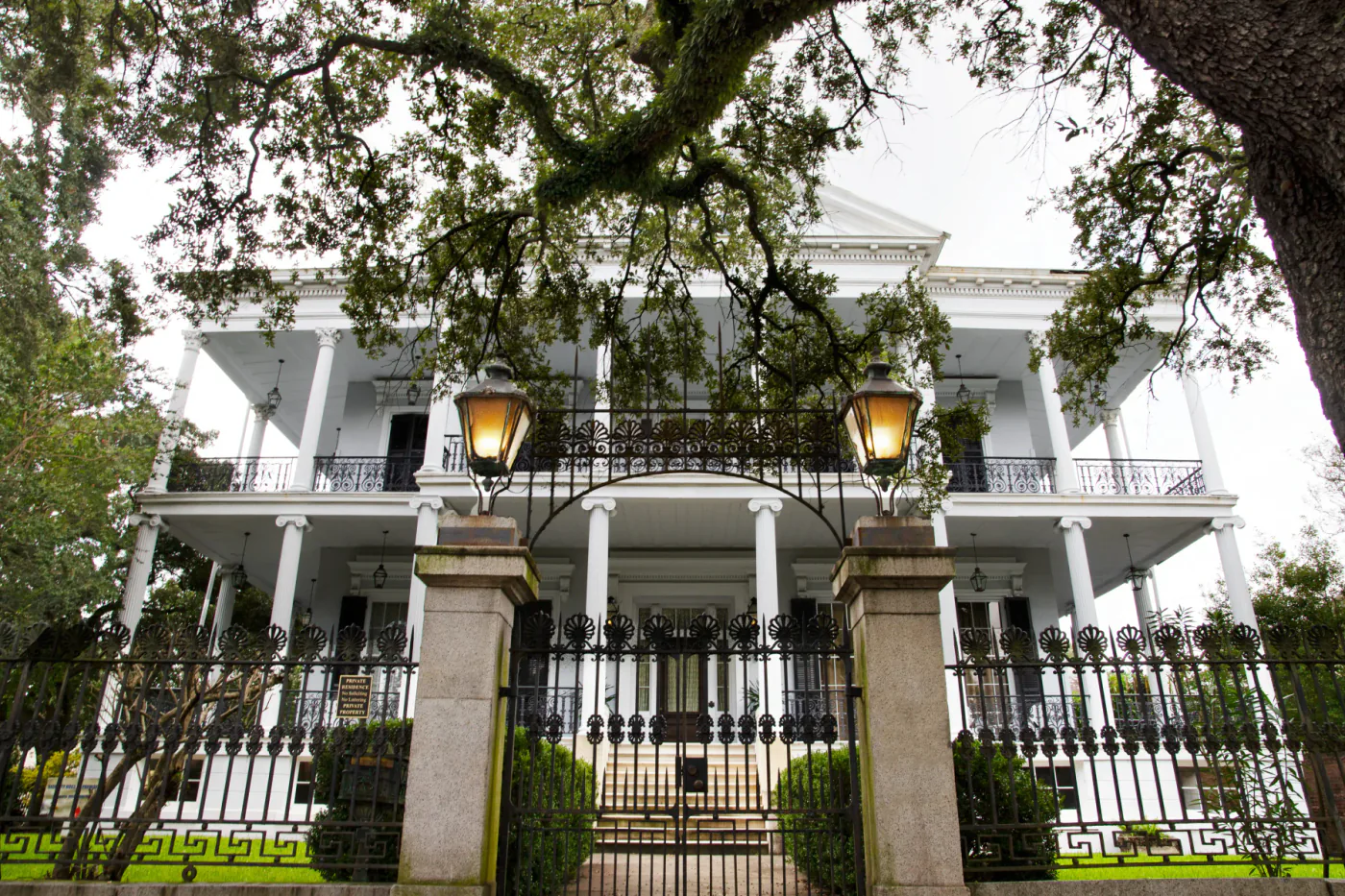
  2. Buckner Mansion in the New Orleans Garden DistrictStop 2

    Buckner Mansion — The American Horror Story Coven House

    The Buckner Mansion at 1410 Jackson Avenue is perhaps the Garden District's most photographed home — a 22,000-square-foot Greek Revival mansion built in 1856 by cotton factor Henry Sullivan Buckner at a reported cost of $100,000 (roughly $3.5 million in today's dollars). It gained worldwide fame as "Miss Robichaux's Academy" in American Horror Story: Coven (2013) and Apocalypse (2018). Your guide separates the real history from the Hollywood fiction: the Civil War officers who commandeered the mansion, the families who restored it over the decades, and why the Buckner Mansion remains a private residence you can admire only from the sidewalk. Currently valued at over $9 million, it exemplifies the Garden District's extraordinary real estate where history, architecture, and pop culture converge.

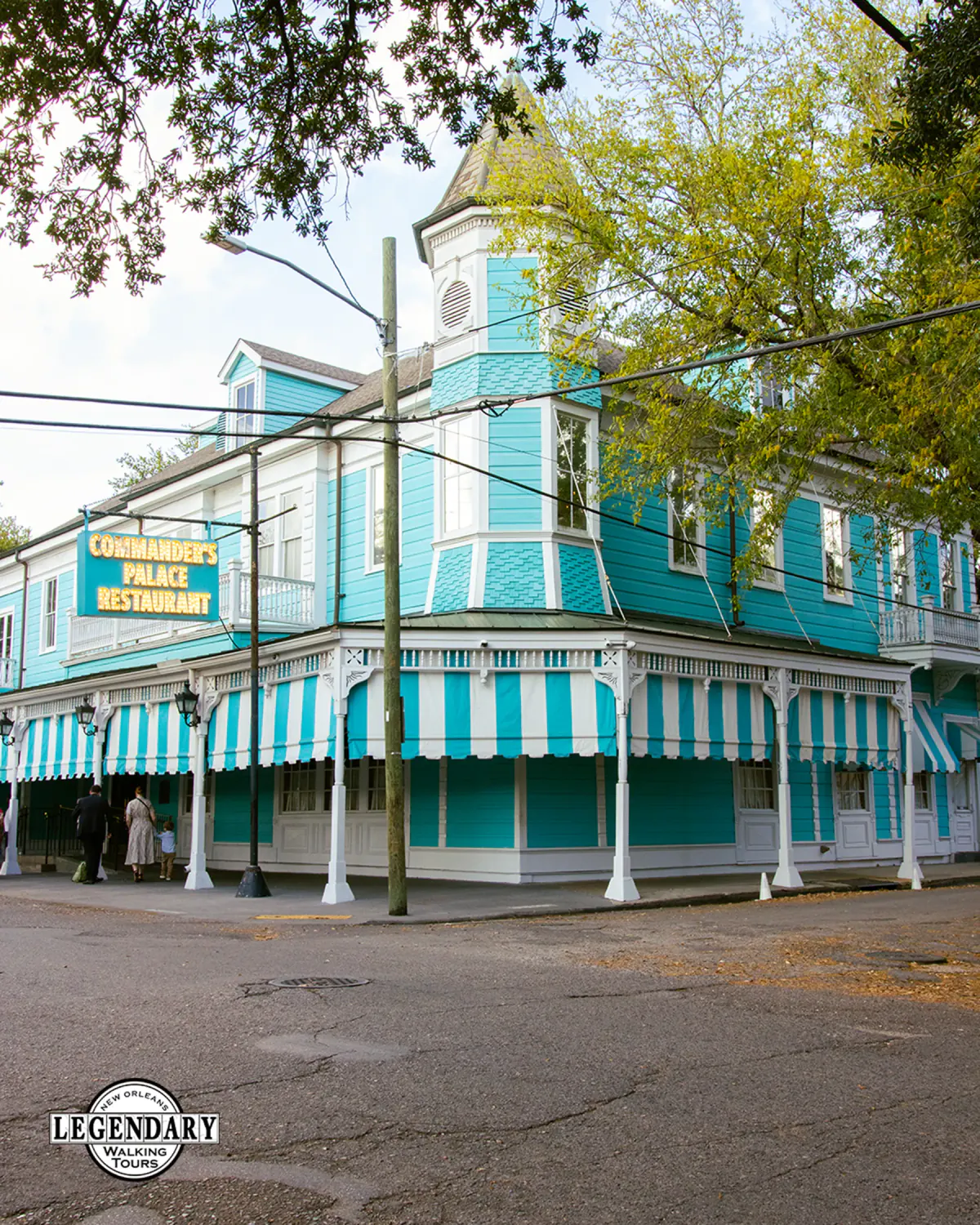
  3. Commander's Palace restaurant in the Garden DistrictStop 3

    Commander's Palace — 130+ Years of Culinary Legend

    At the corner of Washington Avenue and Coliseum Street stands Commander's Palace, the turquoise-blue Victorian landmark that has defined fine dining in New Orleans since 1893. This is where Emeril Lagasse, Paul Prudhomme, and Jamie Shannon launched their careers before becoming household names. Your guide shares the Brennan family's century-long stewardship of the restaurant, the legendary 25-cent martini lunches, and how Commander's survived Hurricane Katrina's flooding to reopen and reclaim its place among the most celebrated dining rooms in America. Tip: book a lunch reservation after your tour.

  4. Greek Revival mansion in the Garden DistrictStop 4

    The Brevard-Rice House — Anne Rice's Inspiration

    The Brevard-Rice House at 1239 First Street is a Greek Revival mansion built in 1857 by Albert Hamilton Brevard. It became internationally famous when novelist Anne Rice purchased it in 1989 and lived there for over a decade, writing several of her Vampire Chronicles and Mayfair Witches novels within its walls. Rice's love for this house — and the Garden District itself — permeates her fiction. Her character Lestat de Lioncourt prowled these very streets, and the Mayfair witches called First Street home. Though Rice sold the house before her death in 2021, the Brevard-Rice House remains a pilgrimage site for fans of Gothic literature.

  5. Colonel Short's Villa and cornstalk fence in the Garden DistrictStop 5

    Colonel Short's Villa & the Cornstalk Fence

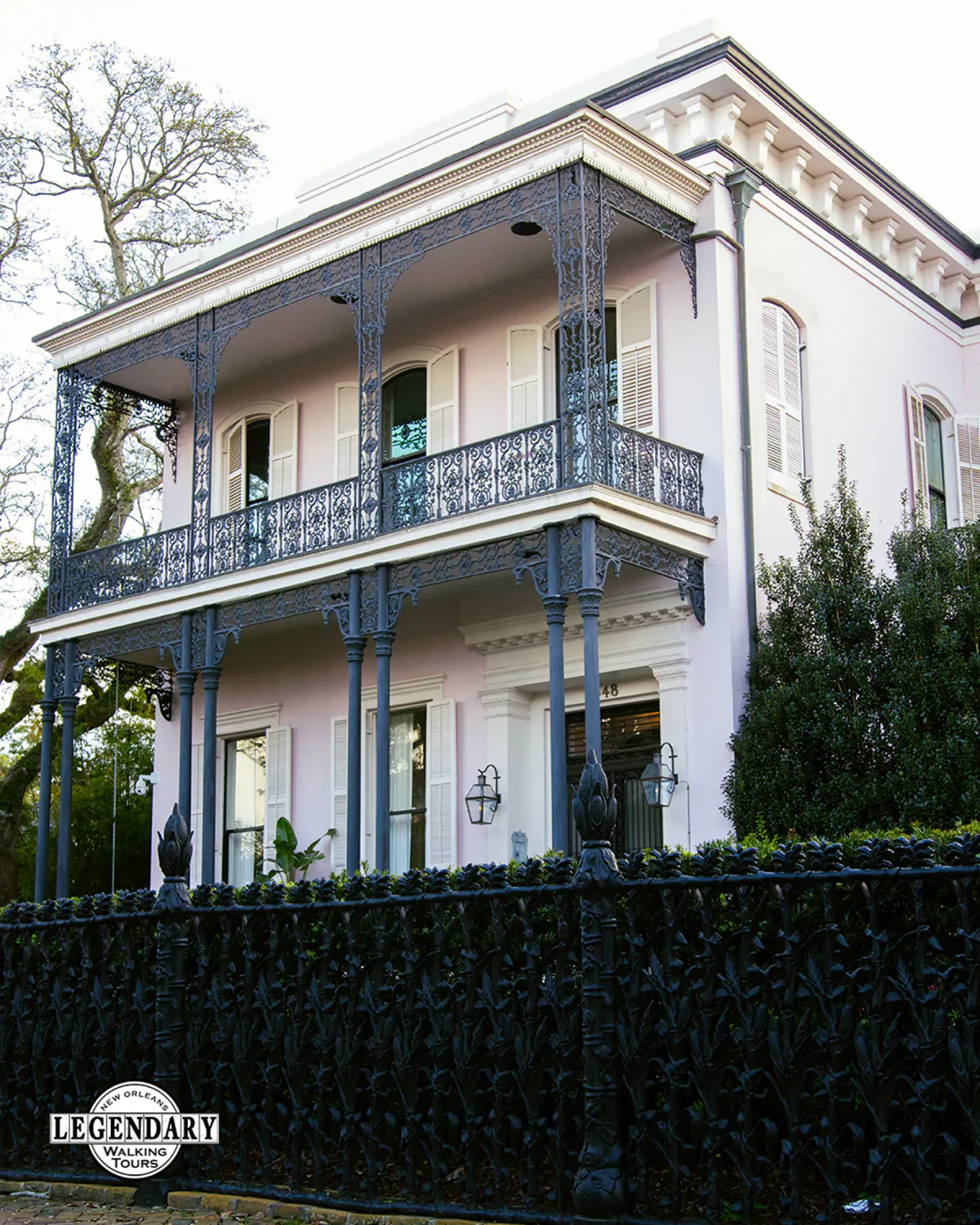
    At 1448 Fourth Street, Colonel Robert Short's Villa features one of the most photographed architectural details in New Orleans: an ornate cast iron fence designed to resemble cornstalks and morning glories. Legend holds that Colonel Short commissioned the fence in the 1850s to remind his wife of her Kentucky homeland. The house itself is an 1859 Italianate villa designed by architect Henry Howard, showcasing the elaborate ironwork that distinguishes Garden District architecture from any other neighborhood in America. Your guide will help you spot the subtle details in the corn-stalk pattern that most visitors miss — including the ears of corn, the twisting vines, and the morning glory blossoms.

  6. Historic mansion on First Street and Prytania Street in the Garden DistrictStop 6

    Historic Mansions of First Street & Prytania Street

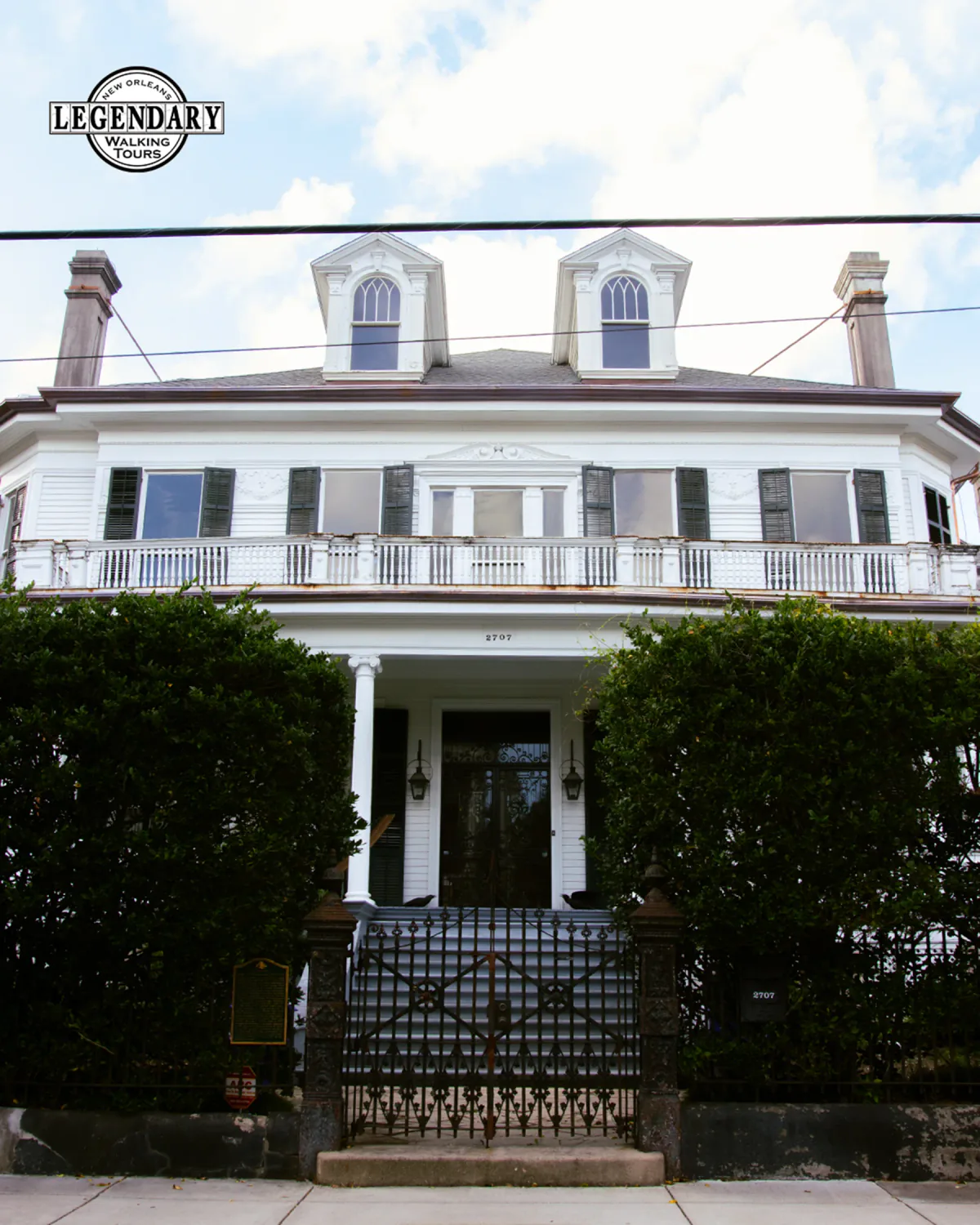
    Beyond the famous individual landmarks, the tour takes you through block after block of architectural magnificence. Your guide highlights the Robinson House (often cited as the largest house in the Garden District), the Payne-Strachan House (where Confederate President Jefferson Davis died in 1889), the Louise S. McGehee School (originally the Bradish Johnson mansion, built in 1872), and the Women's Guild of the New Orleans Opera Association House. Each block tells a different chapter of the Garden District's story — from the ambition of antebellum cotton kings to the neighborhood's careful preservation over two centuries.

Garden District Architecture Up Close

The Garden District is an open-air museum of 19th-century American architecture. Three dominant styles compete for your attention — and your guide explains what makes each distinctive.

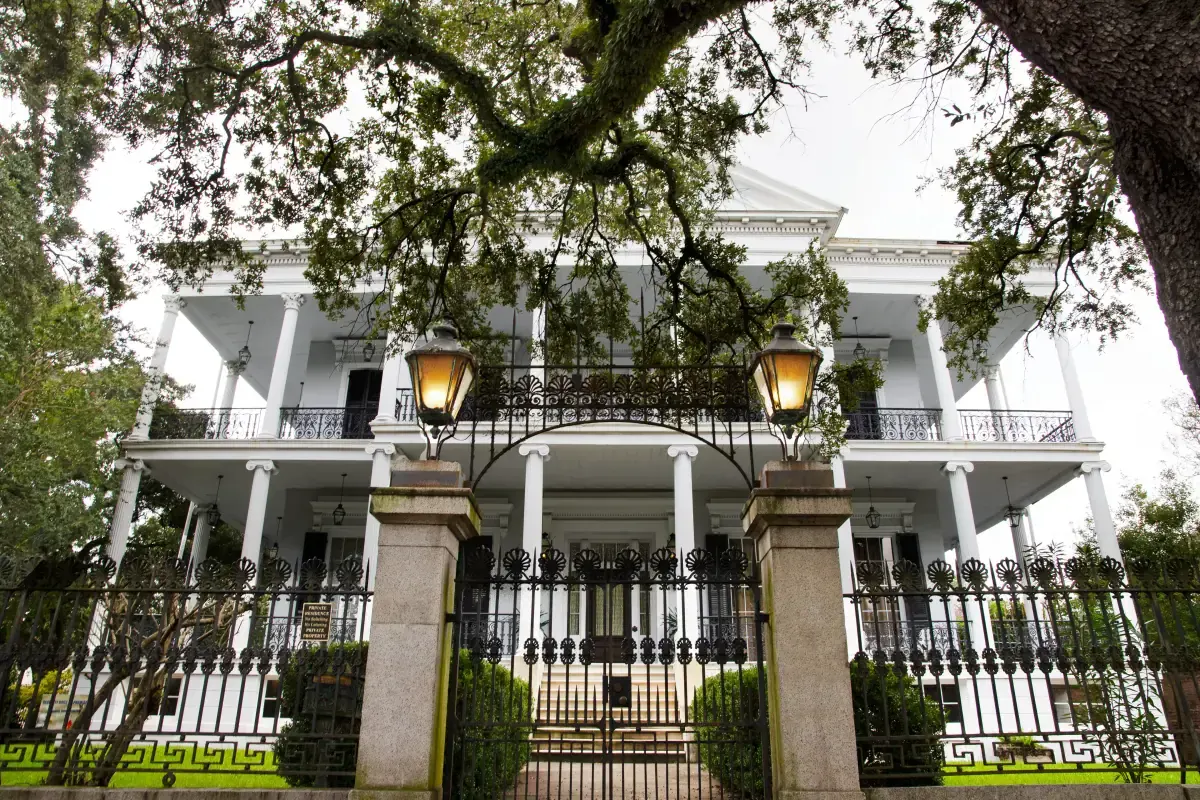
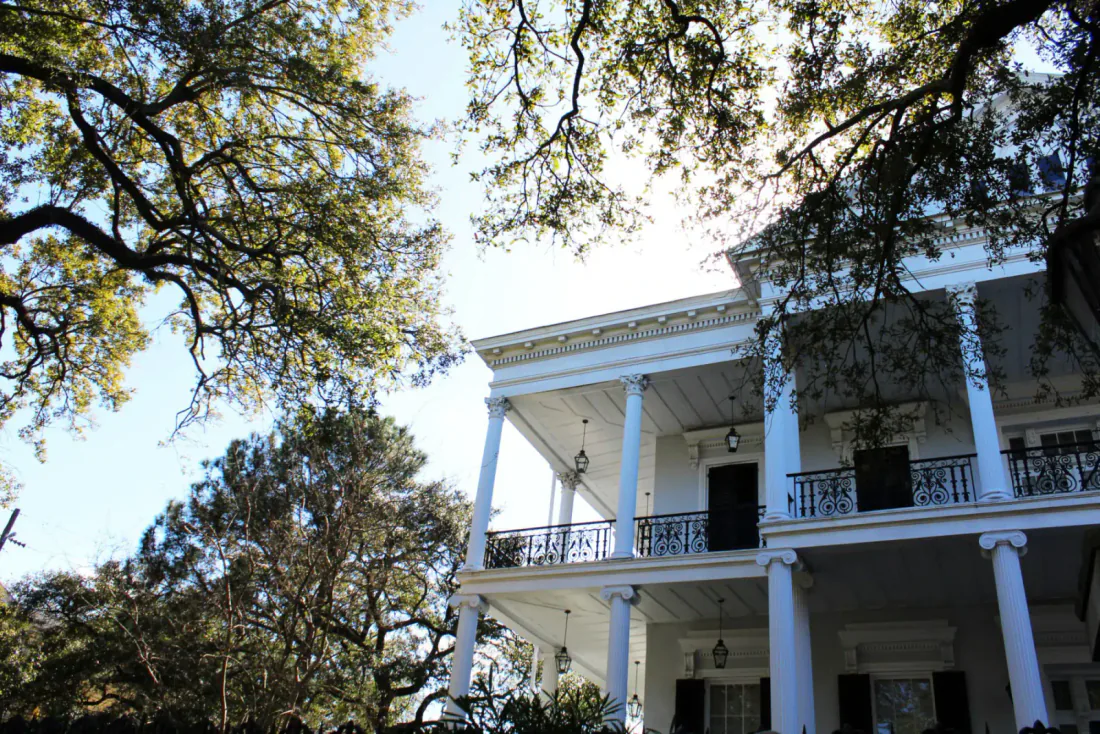
  • Greek Revival mansion with white columns in the Garden District

    1840s-1860s

    Greek Revival Grandeur

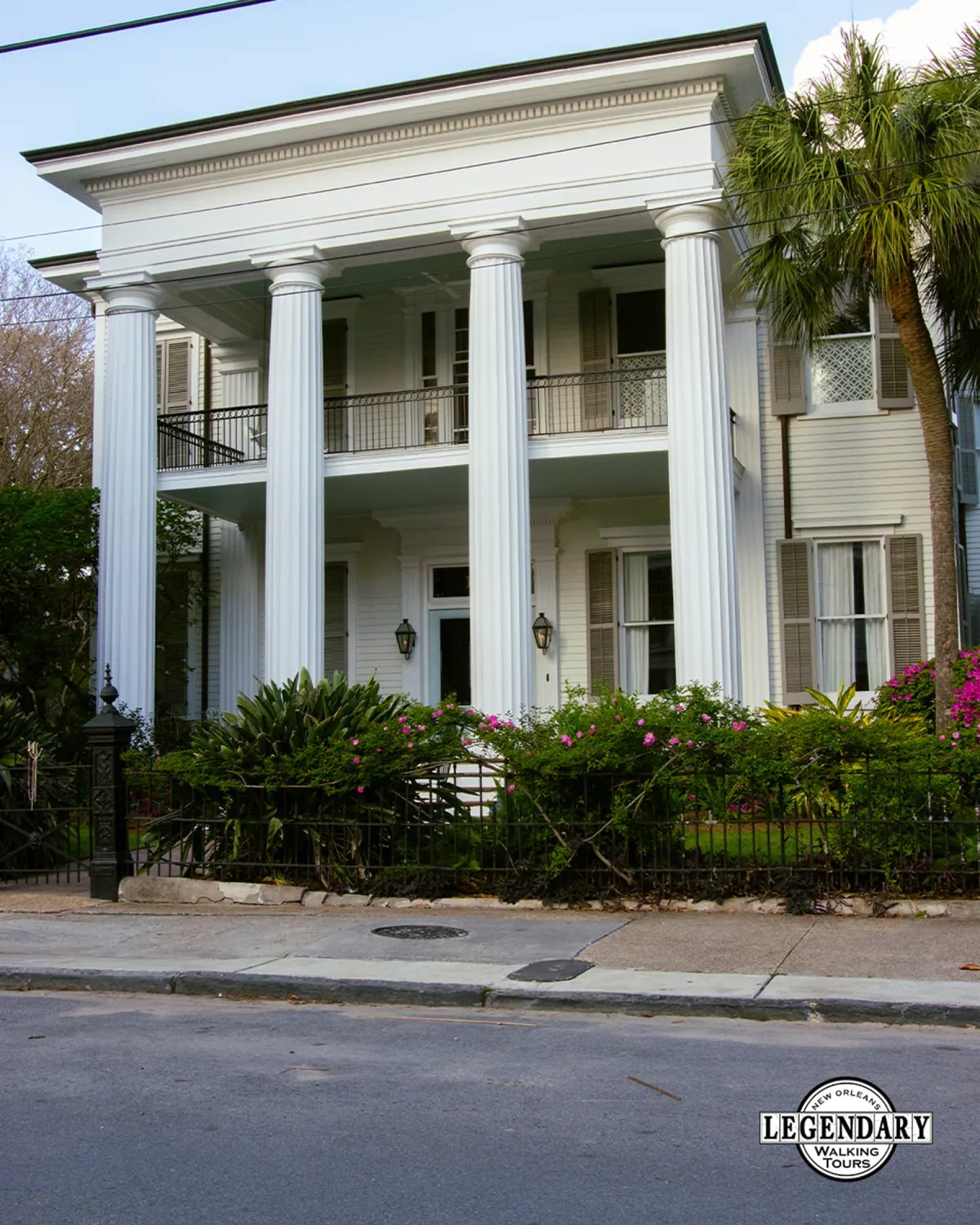
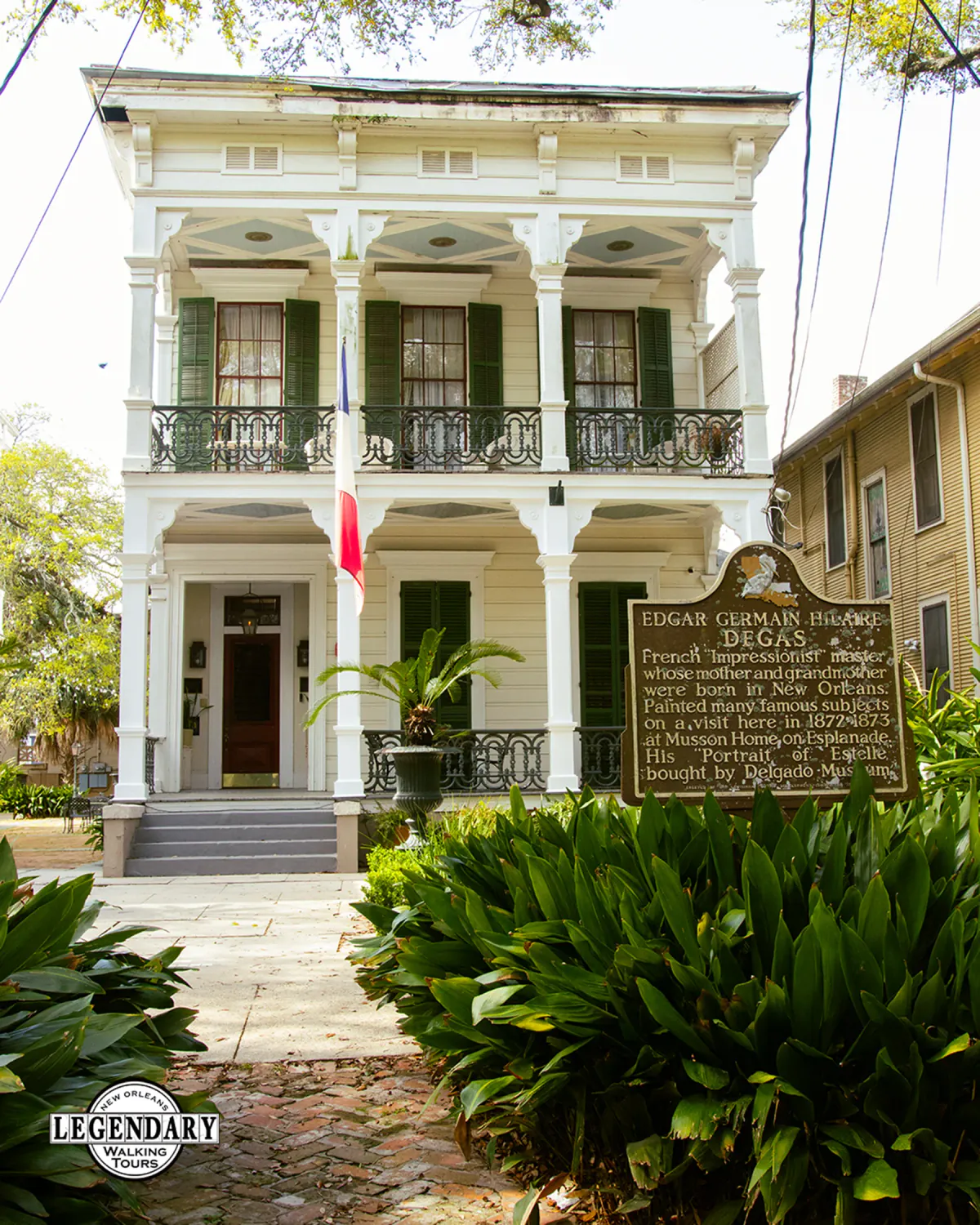
    The dominant style of the 1840s–1860s Garden District, Greek Revival homes feature massive Doric or Corinthian columns, wide galleries, pediment rooflines, and symmetrical facades. These homes announced their owners' wealth and classical education — cotton brokers and sugar traders competing to build grander columns than their neighbors. The Buckner Mansion and many homes along First Street exemplify the style at its most ambitious.

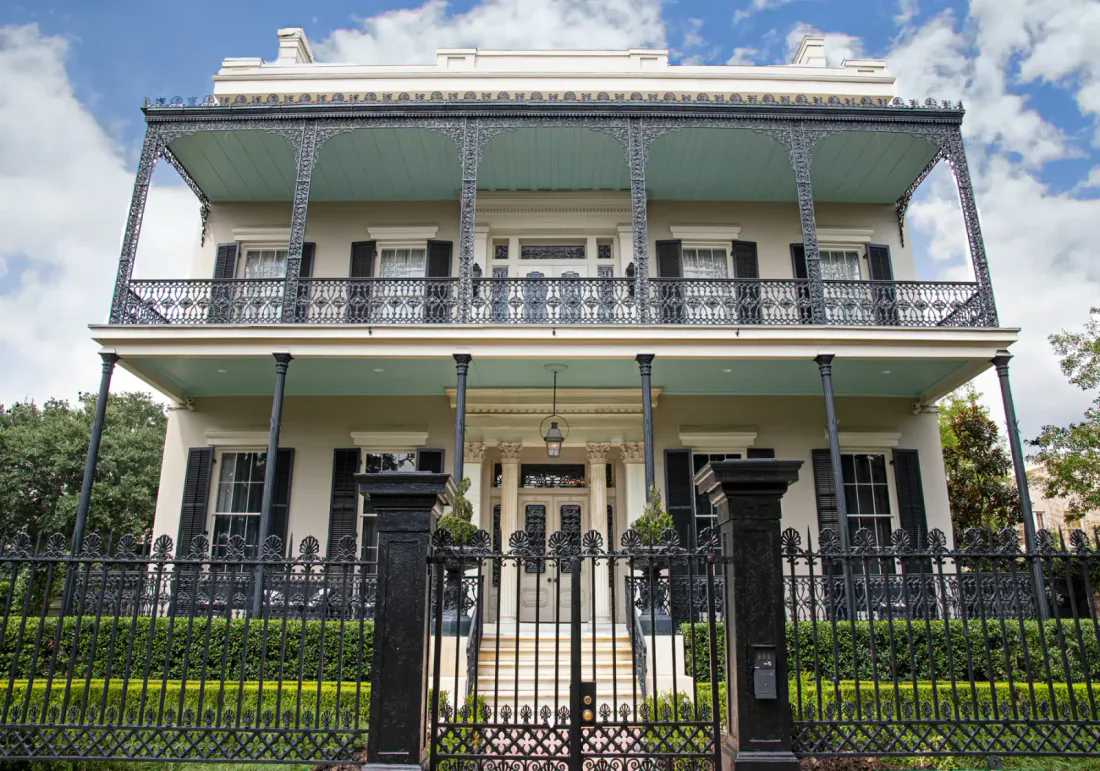
  • Italianate galleries and ironwork in the Garden District

    1850s-1870s

    Italianate Elegance

    Arriving slightly later (1850s–1870s), Italianate homes brought rounded arches, ornate brackets, cupolas, and quoined corners to the neighborhood. Colonel Short's Villa is a prime example. The style represented a shift from the restrained classicism of Greek Revival toward a more romantic, decorative sensibility imported from Italian villa architecture.

  • Raised center-hall cottage with cast-iron galleries in New Orleans

    Mid-1800s

    Raised Center-Hall Cottages & Cast-Iron Galleries

    More modest than the grand mansions but uniquely Southern, raised center-hall cottages feature a central hallway elevated above ground level, allowing air circulation beneath in the subtropical climate. And throughout the neighborhood, the Garden District's cast iron galleries, fences, and gates are works of industrial art — many cast at local foundries in the mid-1800s. Patterns range from geometric to botanical, with the cornstalk fence at Colonel Short's Villa being the most famous. Your guide points out foundry marks, repair patches, and design variations that tell stories of commerce and craft.

The History of the Garden District

The Garden District's story starts long before its famous mansions, when this stretch upriver from New Orleans was part of Livaudais Plantation.

1832

Plantation Land Becomes the American Sector

Before the Garden District existed, this land was the Livaudais Plantation. In 1832, the plantation was subdivided and sold as residential lots, creating what became the "American Sector" — a neighborhood built by Anglo-American newcomers who felt unwelcome in the Creole-dominated French Quarter. These Americans — cotton brokers, sugar traders, railroad magnates — competed to build the grandest homes in the most fashionable styles. By the 1850s, the Garden District rivaled any residential neighborhood in America for sheer architectural ambition.

1862

Civil War Occupation Changes the Neighborhood

The Civil War shattered this prosperity. The Garden District's wealth was built on cotton and sugar — and thus on slavery. After the fall of New Orleans in 1862, Union officers occupied many mansions. The Reconstruction era brought financial ruin to some families and opportunity to others.

1971

Historic-District Protection Preserves the Mansions

In the 20th century, the Garden District faced the same threats as many historic neighborhoods: subdivisions, demolitions, and a proposed elevated highway that would have destroyed blocks of mansions. Community activism and the creation of the Garden District Historic District in 1971 saved the neighborhood. Today, the Garden District's beauty and privacy attract notable residents including Sandra Bullock, John Goodman, and the Manning family. Anne Rice (1941–2021) lived at the Brevard-Rice House for over a decade, setting multiple novels in these very streets.

Why Book Your Garden District Tour with NOLWT

Self-guided maps can get you to the right streets. A licensed local guide gives you the architectural, cemetery, literary, and preservation context behind them.

  • Licensed expert guide

    NOLWT
    Self-guided
    VIATOR/GYG TOUR
    ⚠️ Varies
    FREE TOURS BY FOOT
    Tip-based
  • Small group experience

    NOLWT
    Self-guided
    N/A
    VIATOR/GYG TOUR
    ❌ (up to 25+)
    FREE TOURS BY FOOT
    ❌ (up to 30)
  • Lafayette Cemetery access

    NOLWT
    Self-guided
    ⚠️ Limited hours
    VIATOR/GYG TOUR
    FREE TOURS BY FOOT
    ⚠️
  • Celebrity home stories

    NOLWT
    ✅ Insider
    Self-guided
    VIATOR/GYG TOUR
    ⚠️ Basic
    FREE TOURS BY FOOT
    ⚠️ Basic
  • Architecture expertise

    NOLWT
    Self-guided
    VIATOR/GYG TOUR
    ⚠️ Varies
    FREE TOURS BY FOOT
    ⚠️
  • Rated 4.8★ (976 reviews)

    NOLWT
    Self-guided
    N/A
    VIATOR/GYG TOUR
    Varies
    FREE TOURS BY FOOT
    Varies
  • Book direct (no middleman)

    NOLWT
    Self-guided
    N/A
    VIATOR/GYG TOUR
    ❌ (20-25% markup)
    FREE TOURS BY FOOT
    N/A
  • Price

    NOLWT
    $29.99/person
    Self-guided
    Free
    VIATOR/GYG TOUR
    $35–50
    FREE TOURS BY FOOT
    Free + tip

976 Five-Star Reviews from Real Guests

Our tours are rated 4.8 out of 5 stars based on 976 verified guest reviews across TripAdvisor, Google, and Yelp. Awarded the TripAdvisor Travelers' Choice in 2024.

  • L
    Leslie Hetherington3 weeks ago
    Google
    Jane gave us a wonderful tour of NOLA's fascinating Garden District, sharing historical facts and trivia, as well as unique anecdotes about the homes and their celebrity owners. She was personable and helpful in pointing out key details and answering our questions. Recommend this tour and the variety of sights you'll see on it.
  • A
    Alex Cole02/06/2026
    Google
    Cornell G was an excellent tour guide! He was so well informed with everything and even gave us additional information and tidbits about the area and places to visit and eat. I would recommend this tour over and over! The AHS house and solid marble tomb were my favorite stops.
  • B
    Betsie Schoedel6 years ago
    Google
    Went for a tour at the cemetery, and Loki our tour guide was amazing! Animated, knowledgeable, and an absolute gem of a person who shared so much knowledge with us of the history of the location.

A Daytime Walking Tour Designed for Real Visitors

  • Licensed Local Guides

    City-licensed guides lead the route and keep the stories grounded in local history, architecture, and preservation context.

  • No Cemetery Overpromise

    Lafayette Cemetery No. 1 remains a core story stop, but interior entry depends on city access. The tour is built to work responsibly either way.

  • Easy Direct Booking

    Book through the production booking system, receive confirmation details, and bring questions directly to the tour team if plans change.

Frequently Asked Questions About the Garden District Tour

How long is the Garden District Walking Tour?

The tour lasts approximately 2 hours and covers about 1.5 miles of tree-lined streets at a comfortable walking pace. You'll stop frequently at mansions, Lafayette Cemetery, and architectural highlights.

How much does the Garden District tour cost?

Adult tickets are $29.99 and children under 12 are $18.99. The tour includes a licensed expert guide, all narration, and Lafayette Cemetery access. No additional fees or hidden costs.

Where does the Garden District tour meet?

Meet your guide at the corner of Washington Avenue and Prytania Street, on the cemetery side of the street. The exact meeting point and guide identification details are in your booking confirmation email.

How do I get to the Garden District from the French Quarter?

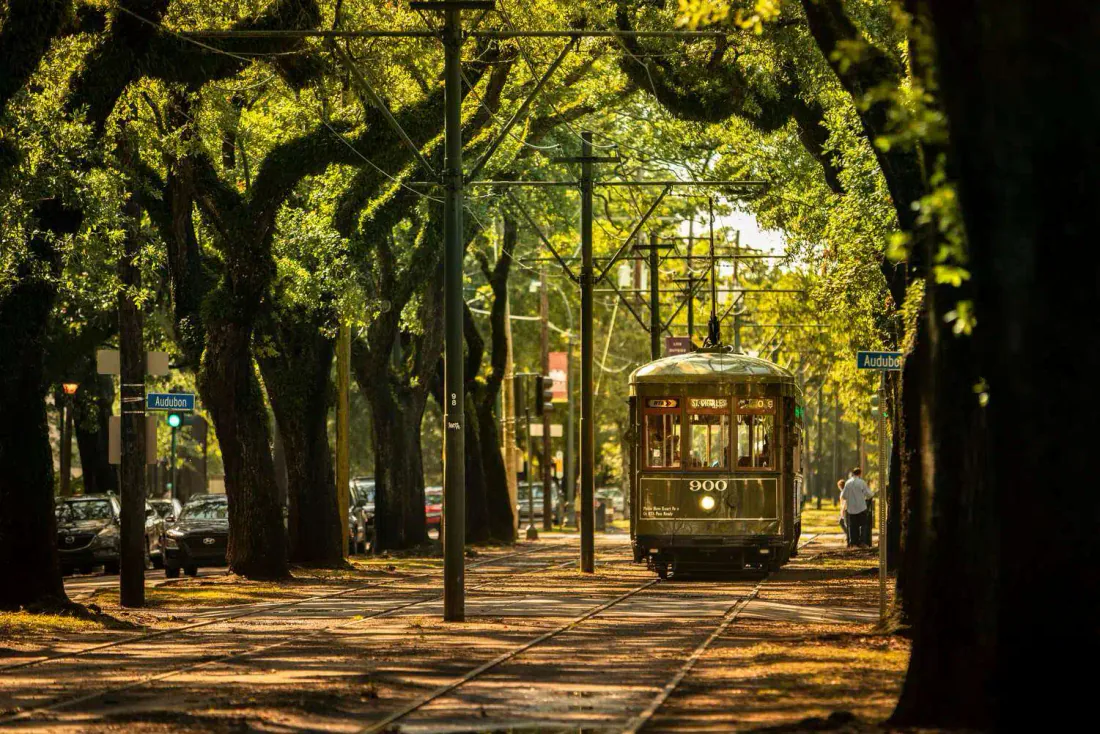
The easiest and most scenic route is the St. Charles Avenue Streetcar (RTA Line 12). Board at Canal Street and ride approximately 25 minutes to the Washington Avenue stop. The streetcar ride itself is a historic experience — the St. Charles line is the oldest continuously operating streetcar in the world.

Is Lafayette Cemetery included in the tour?

Yes. Lafayette Cemetery No. 1 is a highlighted stop. Your guide explains the above-ground burial traditions, notable families interred there, and the cemetery's role in New Orleans literature and film — including Anne Rice's Vampire Chronicles and the HBO series Treme.

Do you see celebrity homes on the Garden District tour?

Yes. The Garden District is home to several notable residents. The tour passes homes associated with Sandra Bullock, John Goodman, and the Manning family. You'll also see the Buckner Mansion from American Horror Story: Coven and the Brevard-Rice House where Anne Rice wrote her novels.

Can I do a self-guided Garden District walking tour instead?

You can walk through the Garden District on your own for free — it's a public neighborhood. However, a guided tour reveals the stories behind the mansions, cemetery symbolism, and architectural context you won't find on plaques or signs. Our guides share insider knowledge refined over 976+ five-star reviews.

What's the best time of year to visit the Garden District?

Spring (March–May) offers the best combination of mild weather and blooming gardens. Fall (October–November) is also excellent. The morning tour time (11:00 AM) is ideal year-round, especially in summer when afternoon heat peaks.

Is the Garden District tour wheelchair-accessible?

The Garden District sidewalks are mostly flat and paved, though some sections have uneven surfaces due to oak tree roots. Lafayette Cemetery has gravel paths. Contact us in advance with specific accessibility needs and we'll accommodate your route.

What's the difference between the Garden District tour and the French Quarter tour?

The Garden District is a 19th-century neighborhood of grand mansions, oak-lined streets, and above-ground cemeteries. The French Quarter is the oldest neighborhood (1718) with French and Spanish colonial architecture, jazz history, and a completely different character. Many guests book both — they cover different ground and different centuries.

Are kids welcome on the Garden District tour?

Absolutely. The tour is family-friendly. Children love the AHS Coven house, the cemetery stories, and the "treasure hunt" of spotting different architectural details like the cornstalk fence.

What should I wear on the Garden District tour?

Comfortable walking shoes (you'll walk about 1.5 miles over 2 hours), weather-appropriate clothing, and bring water and sun protection. The Garden District has beautiful oak-tree shade on most blocks, but some stretches are open. The tour runs rain or shine — bring an umbrella if forecast is wet.

Getting There & What to Expect

Meeting Point
The corner of Washington Avenue & Prytania Street (cemetery side), Garden District, New Orleans, LA 70130Open directions
Parking
Street parking is available on Prytania Street and surrounding blocks. No parking meters in the Garden District.
Schedule
Tours run daily at 11:00 AM
Duration
Approximately 2 hours
Distance
~1.5 miles (easy walking pace)
By Streetcar (Recommended)
Take the St. Charles Avenue Streetcar (RTA Line 12) and exit at Washington Avenue. From the French Quarter, board at Canal Street — the ride takes about 25 minutes and is a scenic experience in itself.
By Rideshare
Drop off at Washington Avenue and Prytania Street.
What to Wear
Comfortable walking shoes, weather-appropriate clothing, water bottle, sunscreen, and an umbrella if rain is forecast.
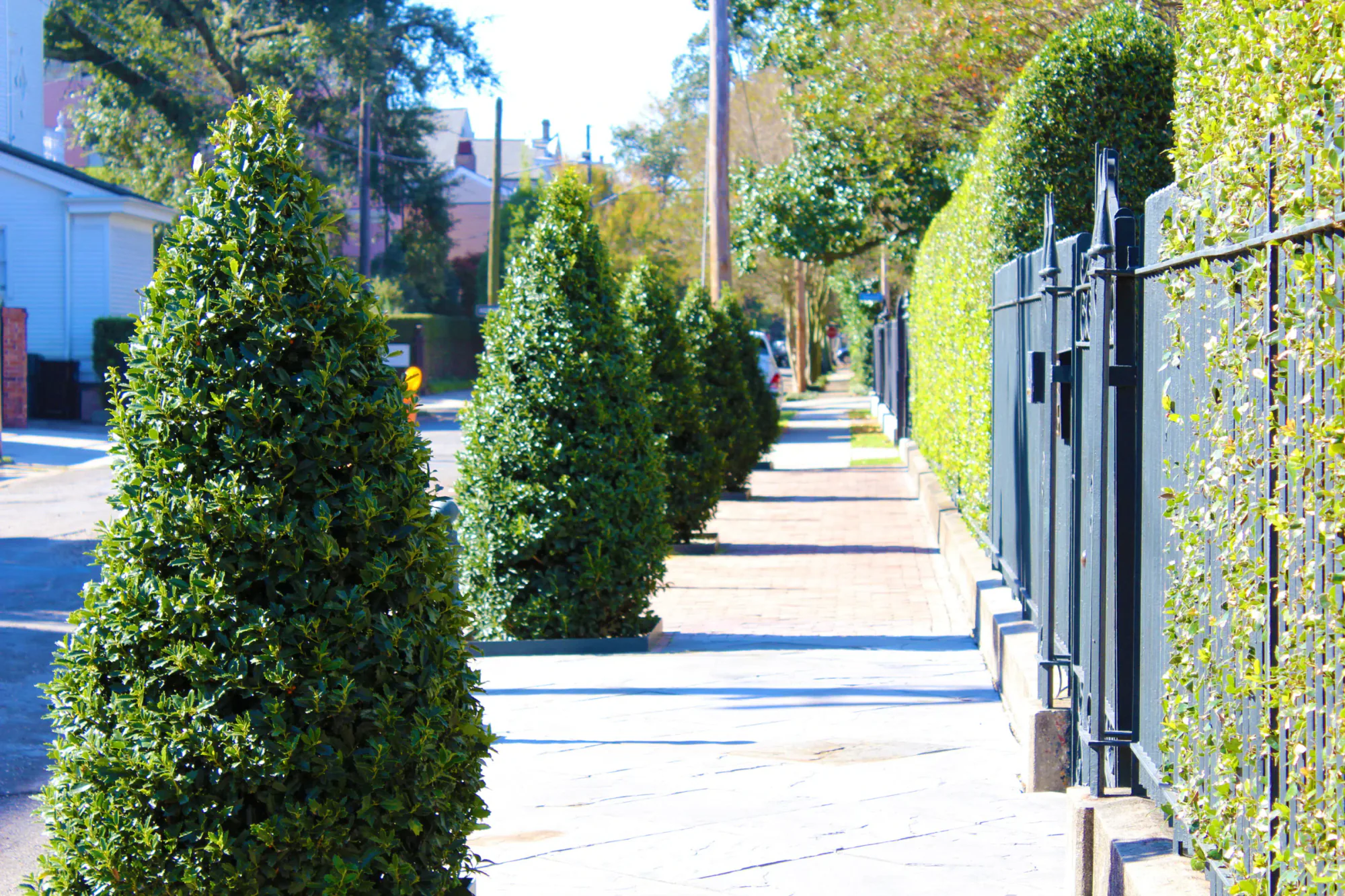
Tree-lined Garden District street with historic homes in New Orleans

Book Your Garden District Walking Tour

Reserve a guided walk through oak-lined streets, historic mansions, Lafayette Cemetery No. 1, Anne Rice landmarks, and Garden District architecture.