French Quarter Fest 2026: The Ultimate Guide to New Orleans’ Biggest Free Music Weekend
If you are planning a spring trip to New Orleans, French Quarter Fest 2026 belongs at the top of your list. This beloved local tradition fills the historic Vieux Carré with live stages, restaurant-run food booths, and that unmistakable New Orleans feeling where every corner seems to be humming. It is also a rare kind of event in a major tourist destination because French Quarter Fest is free to attend, and is described by organizers as the nation’s largest free celebration of Louisiana music, food, and culture.
What follows is a practical, detailed guide that answers the questions people actually have before they go, from when it happens and how long it lasts to where to park, what to eat, what to bring, what amenities to expect, and how to make the most of the experience once you are there.
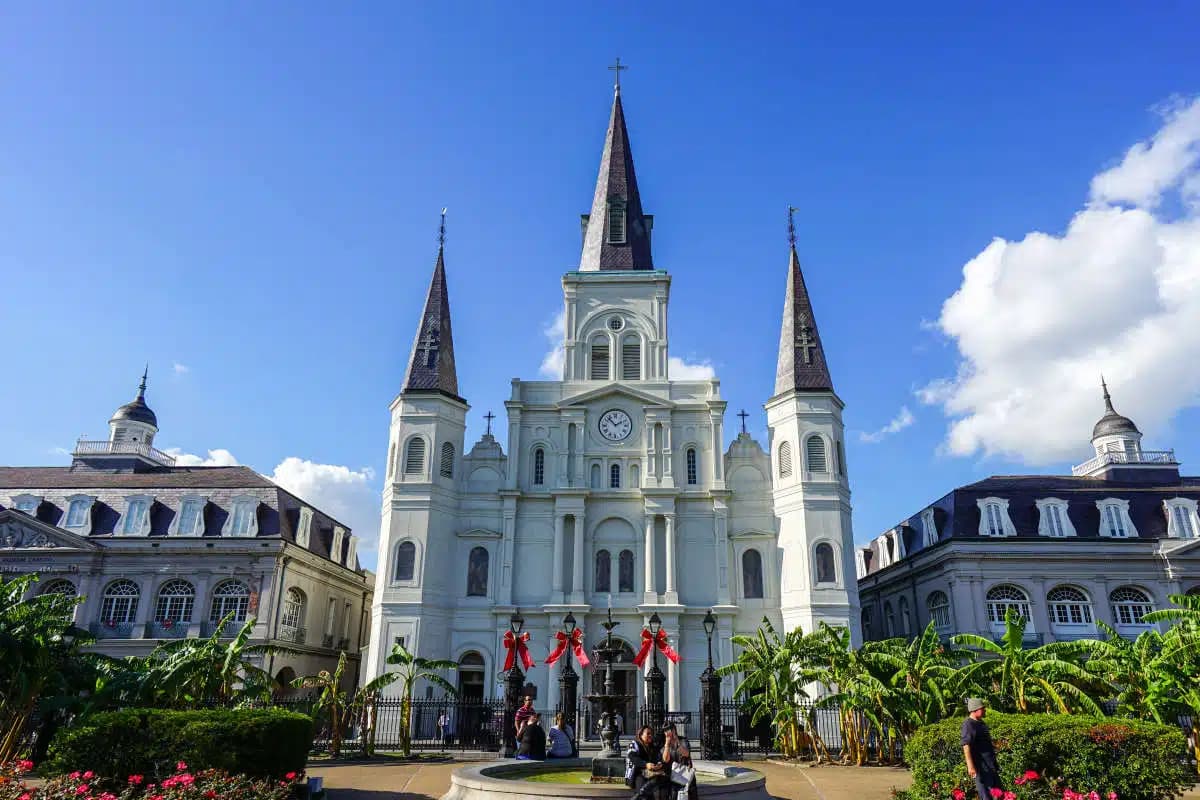
featured image source: neworleans.com
What is French Quarter Fest?

French Quarter Fest is a four-day celebration of New Orleans culture staged across the French Quarter and nearby riverfront areas. It is designed as a massive local music showcase, with more than 1,700 musicians performing across 20 or more stages, plus an extensive culinary presence operated by New Orleans restaurants.
The vibe is different from a fenced-in festival in a single park. Instead, the event spreads through iconic locations like Jackson Square and Woldenberg Riverfront Park, with multiple performance zones that let you wander, discover new artists, and keep the day feeling fresh.
When is French Quarter Fest, and how long will it be?

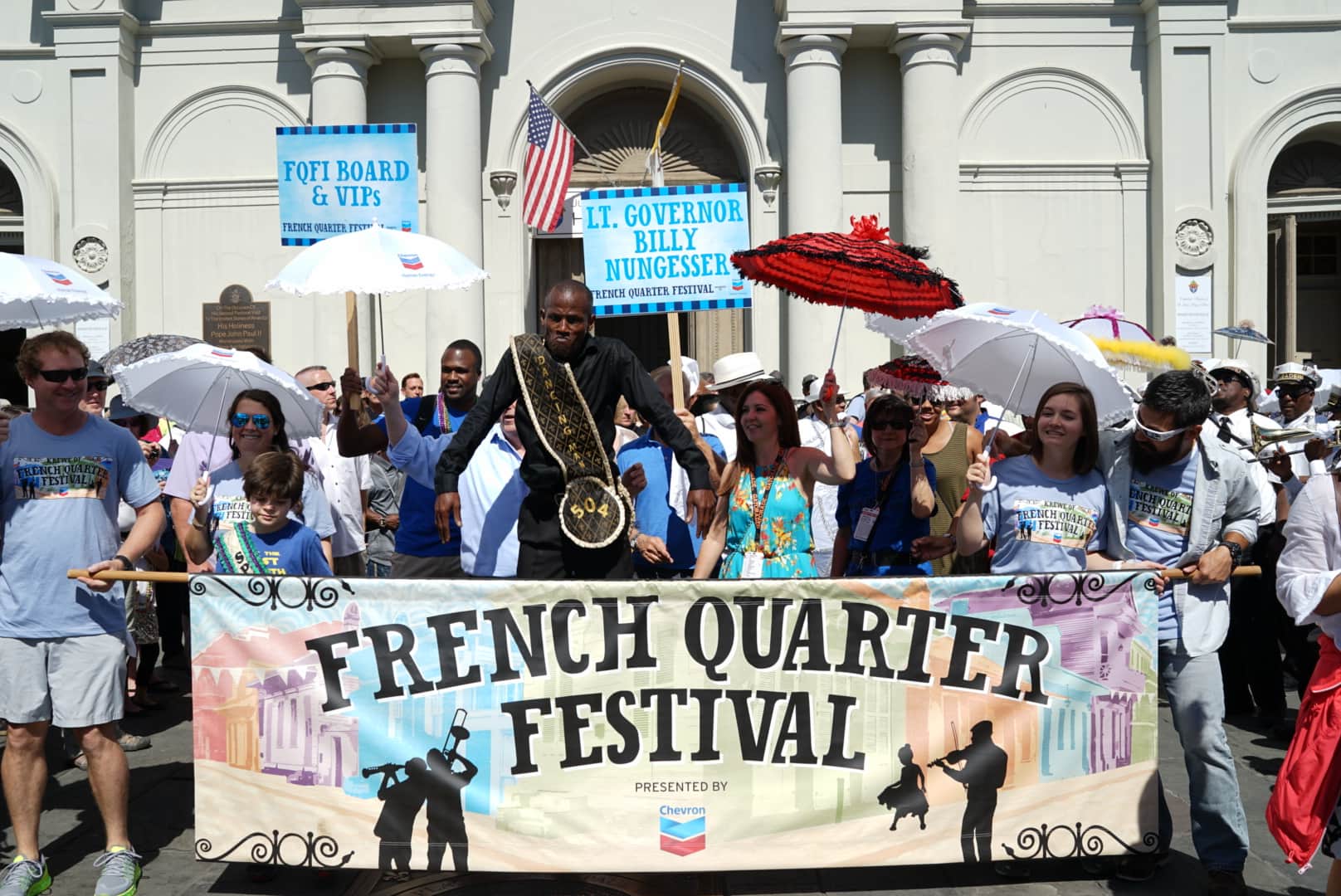
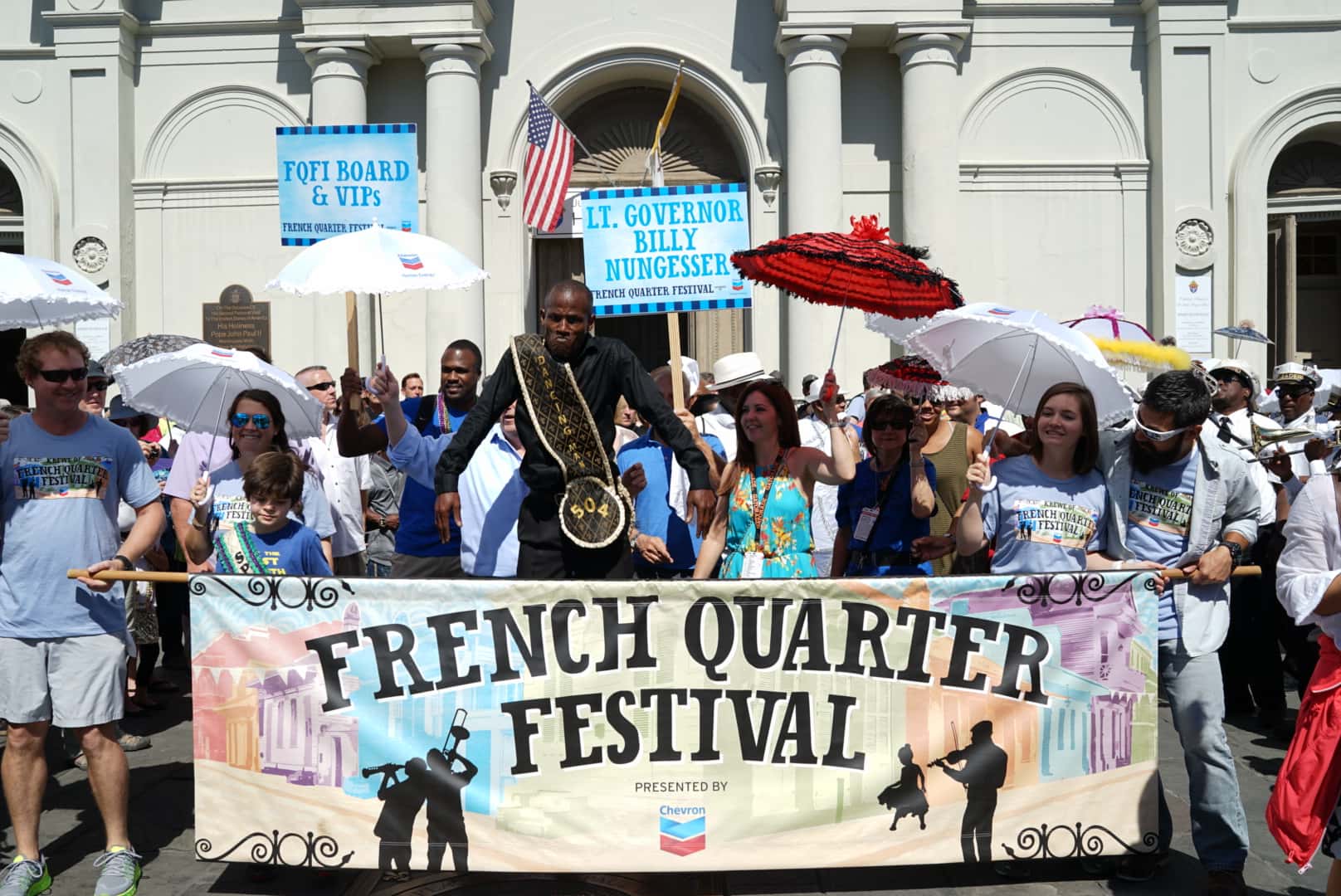
French Quarter Fest 2026 runs from Thursday, April 16, 2026 through Sunday, April 19, 2026, making it a four-day festival. Daily public festival hours are listed as 11 AM to 8 PM. If you want to start with maximum New Orleans energy, there is also an annual kick-off parade that begins at 10 AM on Thursday at the 200 block of Bourbon Street and Bienville Street.
One more timing detail that helps with planning is that the festival opens progressively, with some stages starting Thursday and additional stages coming online Friday, then all stages operating Saturday and Sunday. That means Thursday can feel a little more relaxed compared with the weekend peak, which is useful if you prefer breathing room.
Where does French Quarter Fest take place?

French Quarter Fest happens throughout the French Quarter District and along the riverfront, with multiple zones and partner or street stages. Official festival information describes major areas such as Woldenberg Riverfront Park, the Jax Brewery parking lot area, Jackson Square, and the New Orleans Jazz Museum at the Mint, along with expanded riverfront activity in 2026.
Because it is spread out, the experience is part festival and part neighborhood stroll. You might listen to a brass band for a while, grab a snack, walk a few blocks past galleries and courtyards, then catch a totally different sound on the next stage.
Where should I park for French Quarter Fest?

Parking is the biggest logistical challenge, and the festival’s own guidance is straightforward: arrive early, expect it to be difficult, and use nearby paid lots and garages within walking distance. The festival itself is free and public, and it does not provide reserved general parking for patrons, although there are VIP options that can include parking as part of a package.
For common, close-in paid parking, official sources repeatedly point people toward options like the French Market area, the Premium Parking locations at 300 North Peters Street and 211 Conti Street, and Canal Place garage, along with other paid lots nearby. If you are driving in for the day, it is smart to treat parking as a “get there first, relax later” mission. Once you have a spot, you can stay on foot for most of the day.

If you want to skip parking stress altogether, the festival also encourages alternative transportation. Their travel guidance highlights public transit routes that can get you close, plus the Algiers Point ferry landing near a festival entrance at the foot of Canal Street. They also call out Blue Bikes as a solid option, with a tip to avoid congestion by docking at stations surrounding the Quarter rather than trying to pedal through the thickest crowds. Ride shares and cabs are another option, but you should expect traffic and slower pickups during peak hours.
What kind of food and drink will be there?

French Quarter Fest is as much a food event as it is a music event, and the festival emphasizes its culinary lineup as a core feature. Official festival FAQs describe 70 or more festival food and beverage booths operated by some of New Orleans’ restaurants, open throughout the festival weekend. What that means on the ground is that you can build a day around sampling, not just snacking. You will typically see classic New Orleans and Louisiana favorites represented, with seafood, rich comfort dishes, and sweet treats in the mix, all served in festival-friendly portions.

On the drinks side, you should plan to buy beverages on site rather than bringing your own. The festival is explicit that outside food and beverages are not allowed, and coolers or ice chests are not permitted inside festival gates. Water is available through official beverage booths, and festival wellness guidance specifically encourages staying hydrated with water from those official booths.
One planning detail that catches some visitors by surprise is payment. French Quarter Fest 2026 is cashless, with booths accepting major credit cards and digital payments. If you prefer to use cash, the festival’s cashless policy explains that you can exchange cash for credit on a prepaid festival RFID card at exchange booths, and the FAQ points people to the Jax Lot at 500 Decatur Street for cash exchange. Bringing a card or having a mobile wallet ready makes the day smoother.
What kind of entertainment will be there?

The headline is live music, and a lot of it. French Quarter Fest is built as a large-scale Louisiana music showcase, with 1,700 or more musicians and 20 or more stages featured in festival FAQs, and the festival organization also notes that the event presents more than 300 performances by Louisiana artists.

In practice, that range usually means you can hear traditional jazz, brass bands, funk, R and B, soul, zydeco, Cajun sounds, and modern New Orleans hybrids as you move from stage to stage. Beyond the stages themselves, the atmosphere of the Quarter adds its own entertainment layer, with street life, architecture, and the constant sense that you are walking through living history.
There are also official “moment” events that add structure to the weekend. The kick-off parade on Thursday morning is one of them, and in 2026 the festival is introducing a 5K race on Saturday, April 18 as another way to experience the Quarter. Even if you do not run, it is useful to know it is happening so you can plan around early-morning street activity.
What should I bring to French Quarter Fest?

The best approach is to bring what keeps you comfortable for a long day of walking and standing, while staying within festival rules and being ready for security screening. The festival notes that bag checks are conducted at major sites and stages, so a smaller, easier-to-check bag is typically the least stressful choice.
Because outside food and beverages are not allowed and coolers are prohibited, plan on purchasing what you want to eat and drink from official booths. Since it is cashless, you should also arrive ready to pay with card or phone, or plan to use the on-site cash exchange option for an RFID card if you prefer using cash.
For comfort, think in terms of sun, heat, and sudden weather changes. The festival’s travel guidance explicitly reminds people about sunscreen and notes that complimentary sunscreen stations are available through their wellness partnership. Comfortable shoes matter more than almost anything because French Quarter Fest is spread out, and you will likely walk much more than you expect.
What amenities will there be?

French Quarter Fest has a surprisingly robust set of on-site support amenities for a free event, and a lot of it is documented in the festival’s accessibility and wellness information. Restrooms are provided as portable restroom areas throughout the event, and the accessibility plan notes that each restroom area includes accessible units labeled for patrons with mobility disabilities. The festival also operates multiple information booths across the grounds, including in major areas like Woldenberg Riverfront Park, the Jax Brewery lot, Jackson Square, and the New Orleans Jazz Museum area, which is helpful if you need a map, directions, or accessibility resources.

For health and comfort, the “Keeping You Well” program described by the festival includes comprehensive first aid services via first aid tents, dedicated nursing spaces, and complimentary sunscreen stations. If you are attending with a baby, the festival highlights a Touro Nursing Nest location in the Jax Brewery lot during the festival days.
Accessibility support is also clearly part of the plan. The festival describes accessible viewing areas at select stages and emphasizes that these areas are first come, first served, which is good to know if you want to time arrivals for popular sets. They also mention a sensory-friendly decompression option, Benny’s Sensory Activation Vehicle, as a place of respite for attendees who may become overwhelmed by crowds and stimulation.
Frequently Asked Questions
Is French Quarter Fest 2026 free to attend?
Yes. French Quarter Fest is free and open to the public, which is part of what makes it so special for a major tourist destination.
When is French Quarter Fest 2026?
French Quarter Fest 2026 runs Thursday, April 16 through Sunday, April 19, 2026.
Is there a kick-off parade?
Yes. The kick-off parade starts at 10:00 AM on Thursday and begins around the 200 block of Bourbon Street and Bienville Street.
Where does French Quarter Fest take place?
It’s spread throughout the French Quarter (Vieux Carré) and nearby riverfront areas, with major activity around spots like Jackson Square and Woldenberg Riverfront Park.
How many days is French Quarter Fest?
It’s a four-day festival (Thursday–Sunday).
Do all stages run every day?
Not always. The festival typically ramps up as the weekend approaches, with Thursday feeling more relaxed and the full weekend schedule peaking Saturday and Sunday.
What’s the best day to go if I want smaller crowds?
If your schedule allows, Thursday (or earlier in the day on the weekend) often feels less crowded than Saturday afternoon or evening.
Where should I park for French Quarter Fest?
Parking is the toughest part. Plan to arrive early and use paid lots/garages within walking distance. Once you park, you’ll likely stay on foot most of the day.
Can I take the ferry to the festival?
Yes. The Algiers Point ferry can be a great option, landing near a festival entrance around the foot of Canal Street.
What kind of food is available?
French Quarter Fest is known for food. Expect restaurant-run festival booths serving New Orleans and Louisiana favorites in festival-friendly portions.
Is French Quarter Fest cashless?
Yes. Food and beverage booths are cashless, accepting major cards and digital payments.
How do I make the most of French Quarter Fest?

To make the most of French Quarter Fest, treat it like a neighborhood adventure, not a one-stage concert. Go early, especially on Thursday or in the mornings on Saturday and Sunday, so it is easier to move around and grab food with shorter lines. Pick a starting spot, then roam between stages and follow whatever music pulls you down the next block. Stay hydrated, pace yourself, and take shade breaks so you can last all day. Since the festival is cashless, have a card or mobile wallet ready, and if you are with friends, choose a simple meetup landmark in case you get separated.
If you want a quick break from the busiest areas, explore more of the city and take a breather with a Legendary Walking Tour. Book a French Quarter Walking Tour before morning crowds or book a Walking Ghost Tour after the music ends. Talk to our experienced consultants and come see us at our visitor center at 941 Decatur St. With a little planning and a lot of wandering, you will see why French Quarter Fest, with four days of free admission, nonstop Louisiana music, and restaurant-run food booths, is known as the largest free music event in the United States.
Latest Posts
French Quarter Fest 2026: The Ultimate Guide to New Orleans’ Biggest Free Music Weekend
Why October Is the Best Month for Walking Tours in New Orleans