
Garden District Walking Tour vs. Self-Guided: What You Miss Without a Guide

New Orleans is a city with a rich history and culture, and the Garden District is one of its most beloved neighborhoods, making it a very popular tourist destination in New Orleans. This historic neighborhood is known for its large mansions and lush gardens, where visitors can take a Garden District walking tour with New Orleans Legendary Walking Tours and see the district with its impressive homes, all while learning about the rich history.
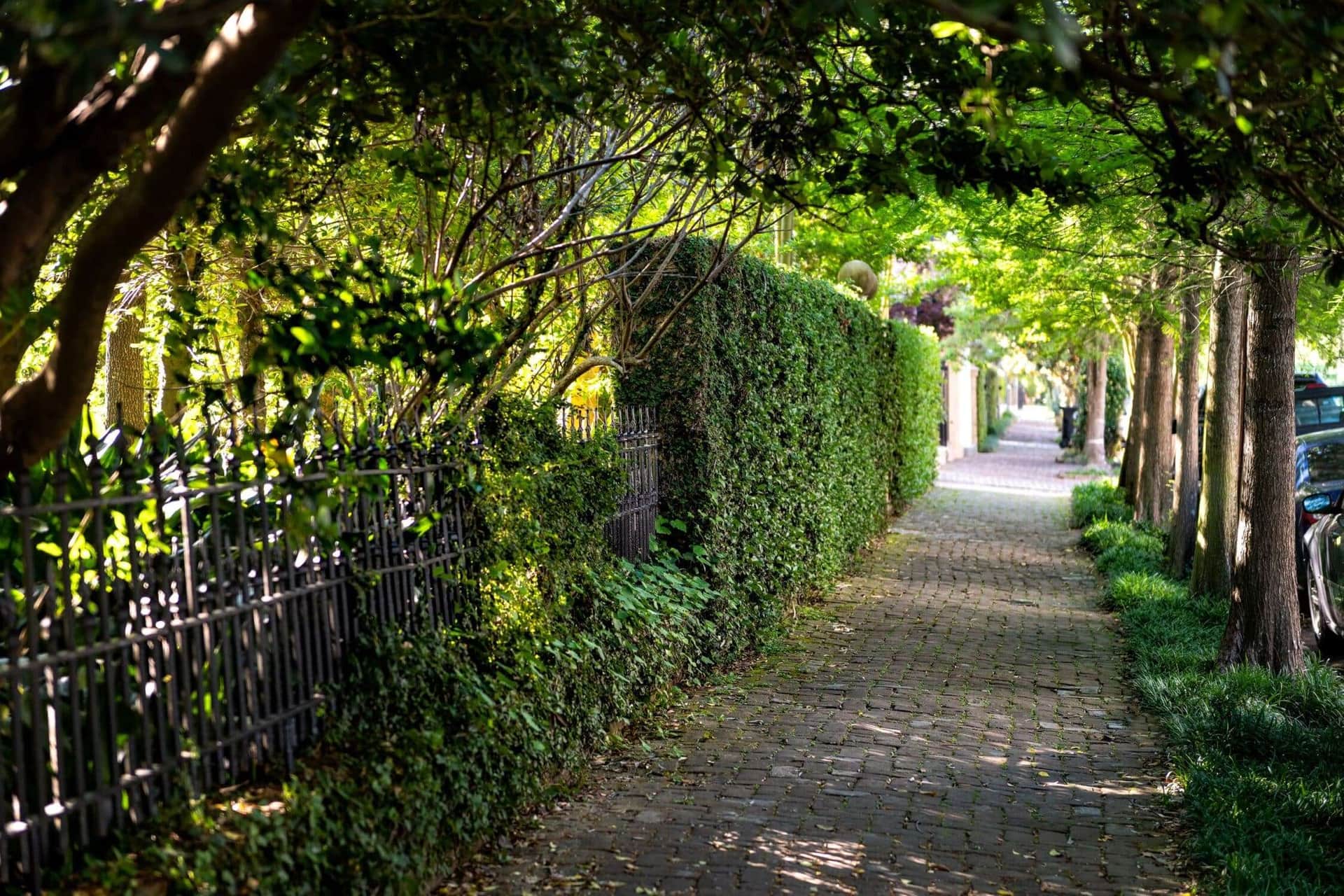
Walking the Garden District on your own is free and easy — it’s a public neighborhood of oak-lined streets and 19th-century mansions. A guided tour adds what the facades don’t tell you, from cemetery symbolism to which house belongs to whom. NOLWT walks about 1.5 miles in two hours, leaving at 11:00 AM from Washington Avenue and Prytania Street, from $29.99.
| On your own | With a guide | |
|---|---|---|
| Cost | Free — public streets | $29.99 adults, $18.99 under 12 |
| The mansions | Facades and the occasional plaque | Who built them, when, and why the styles shift block to block |
| Celebrity homes | Easy to walk past unaware | Sandra Bullock, John Goodman, the Manning family, and the American Horror Story Buckner Mansion, pointed out as you pass |
| Lafayette Cemetery | Gates and whatever signage is posted | Above-ground burial traditions, society tombs, yellow-fever history, and the Anne Rice connection |
| Route | You decide, and backtrack | 1.5 miles in a set order, ~2 hours with frequent stops |
| Pace | Yours entirely | Easy, with stops built in |
History of the New Orleans Garden District

The Garden District was originally developed in the 19th century as a residential area for wealthy citizens. The architecture of the district is a mix of French and Spanish influences, and many of the mansions feature intricate ironwork and stained glass. The Garden District was originally laid out as the Faubourg Livaudais in 1832, made up of the Livaudais plantation. In 1833, this region became the City of Lafayette and was formally incorporated into New Orleans by 1852.
Fun Fact:
Several neighborhoods in New Orleans were given the first name ‘Faubourg’ upon their founding; it is an old French term approximating ‘suburb’.
In addition to its architectural significance, the Garden District is also mentioned in the National Register of Historic Places and is home to several important landmarks, such as the Lafayette Cemetery. Whether you’re interested in history or simply want to enjoy a leisurely stroll through a beautiful neighborhood, the Garden District is sure to delight.
Lafayette Cemetery

Lafayette Cemetery No. 1 is one of the oldest city-governed cemeteries in New Orleans. Named after the City of Lafayette, which was annexed to the City of New Orleans as the Fourth District, this cemetery has become one of the most popular tourist spots in the Garden District.
This historic cemetery was established in 1833 and is the final resting place for many famous New Orleanians, including the Brunie family, who were very notable jazz musicians. Visitors can take a guided cemetery walking tour with New Orleans Legendary Walking Tours to learn more about the enigmatic history of Lafayette Cemetery No. 1.
Homes & Architecture

As you walk through the Garden District, you’ll notice the many grand mansions that line the streets. These homes were built by some of New Orleans’ most wealthy citizens in the 1800s and are a prime example of the city’s architectural diversity. Many homes were constructed in the center of two large lots (60′ x 120′) surrounded by landscaped grounds, which were frequently bordered by big iron fences and even masonry walls that are set back from the road with large gardens.
Several residences were built in the late antebellum period in a variety of architectural styles, including Greek Revival raised center hall cottages, side hall townhouses, and 2-story 5-bay center halls with double galleries. Shotgun-style houses began to be built in the late 1840s and continued until around 1910. Some of the most notable homes in the Garden District include The Beauregard-Keyes House, The Hermann-Grima House, and The Pontalba Buildings.
If you’re interested in taking a New Orleans Garden District Walking Tour, New Orleans Legendary Walking Tours will definitely meet the need! Our knowledgeable guides will take you on a tour through this historic neighborhood and tell you all about its fascinating history. We offer group tours which take you through the most amazing sites that the Garden District has to offer. Contact us today to learn more and secure your spot!
Is the Garden District Better in the Morning?
Yes, and the schedule reflects it — the tour runs once a day at 11:00 AM. Late morning gives you softer light on the facades for photographs and gets you off the pavement before the afternoon heat peaks, which matters most from June through September. Most of the route sits under oak shade, but some stretches are open. It also lines up neatly with lunch. The route passes Commander’s Palace, and an 11:00 AM start puts you outside it around the time the dining room fills.
If you’d rather see the city after dark, our New Orleans ghost tour covers the other half of that story — same walkable scale, very different mood.
The Garden District Walking Tour at a Glance
- Duration: about 2 hours, roughly 1.5 miles, easy pace.
- Departure: 11:00 AM daily — one departure.
- Meeting point: Washington Avenue & Prytania Street, on the cemetery side; exact spot and guide ID in your confirmation email.
- Price: $29.99 adults, $18.99 children under 12.
- Getting there: the St. Charles Streetcar (RTA Line 12) from Canal Street, about 25 minutes to the Washington Avenue stop — the ride is part of the experience.
- Lafayette Cemetery: reopened in 2024 after a multi-year restoration, but interior entry is governed by city access rules and isn’t guaranteed on any given day; when it’s closed your guide covers it from the gates.
- Accessibility: sidewalks are mostly flat and paved, with some uneven sections from oak roots and gravel paths inside the cemetery — contact us ahead with specific needs.
- Weather: tours run rain or shine.
How long is the walking tour?
About two hours, covering roughly 1.5 miles of tree-lined streets at a comfortable pace with frequent stops. There is one departure daily, at 11:00 AM, meeting at Washington Avenue and Prytania Street on the cemetery side.
What landmarks are included?
Lafayette Cemetery No. 1, the Buckner Mansion, Commander’s Palace, the Brevard-Rice House, Colonel Short’s Villa with its cornstalk fence, and the First and Prytania Street blocks — eight or more historic mansions in all, plus homes associated with several well-known residents.
Is the route family-friendly?
Yes. Children under 12 book at $18.99 rather than the $29.99 adult rate, and the tour tends to land well with them — the American Horror Story house, the cemetery stories, and searching for details like the cornstalk fence turn it into a treasure hunt.
Is a guide worth it vs. self-guided?
You can walk the Garden District for free; it’s a public neighborhood. What a guided tour adds is the part that isn’t written on plaques — why the architecture changes street by street, what the cemetery’s society tombs signify, and which houses carry stories worth stopping for. Our guides are licensed and the tour has drawn 976+ five-star reviews.
What should visitors wear or bring?
Comfortable walking shoes for 1.5 miles over two hours, weather-appropriate clothing, water, and sun protection. Most blocks have oak-tree shade but some stretches are open. Tours run rain or shine, so bring an umbrella if the forecast is wet.
Latest Posts

French Quarter Fest 2026: The Ultimate Guide to New Orleans’ Biggest Free Music Weekend

Why October Is the Best Month for Walking Tours in New Orleans